#Collaborative post
Updated November 2025:
Kitchen cabinet makeovers have exploded in popularity as homeowners seek budget-friendly alternatives to full kitchen renovations. With the average UK kitchen refit costing £8,000-£15,000, a cabinet makeover at £500-£2,000 offers incredible value.
The cabinet painting industry has evolved significantly, with new products specifically designed for kitchen use – from ultra-durable paints that withstand daily wear to peel-and-stick vinyl wraps that look professionally sprayed. This updated guide includes the latest 2025 colour trends (warm terracotta, sage green, and navy blue are dominating), modern hardware styles, and innovative techniques like two-tone cabinets and open shelving combinations.
We’ve also added realistic timelines, cost breakdowns, and common mistakes to avoid. Whether you’re going for a full transformation or a subtle refresh, these tips will help you achieve professional-looking results that last for years.
You might not have the funds for a new kitchen. But so long as your units are in good condition, you should be able to do a thorough cabinet makeover. Replacing doors and upgrading hardware can transform the space and make it look brand new without the hefty price tag.
Of course, any improvements you make will have some costs involved. So, ideally, you want to get the best result for the money you spend. With that in mind, here are some tips for getting the most out of your kitchen cabinet makeover.
Paint your cabinet doors
One of the easiest places to start a kitchen cabinet makeover is with the doors. If your doors are in good condition, you can simply give them a fresh lick of paint and some new handles.
But when you do this, take your time with the prep. Skipping stages does affect the finish and durability. Unless your paint is self-priming, you will need to do one or two coats of primer first.
Even if you’re not priming, you’ll still need to clean doors thoroughly and give them a sand. Sanding ensures the paint has a surface it can stick to and it will save you from having to touch-up paint chips in the future.
It’s likely you’ll need to apply two or three coats of paint for an even finish and you may need to use a clear topcoat to improve the ruggedness of the paint. When you’re painting, use a roller where possible to avoid annoying brush marks.
Or replace the doors completely
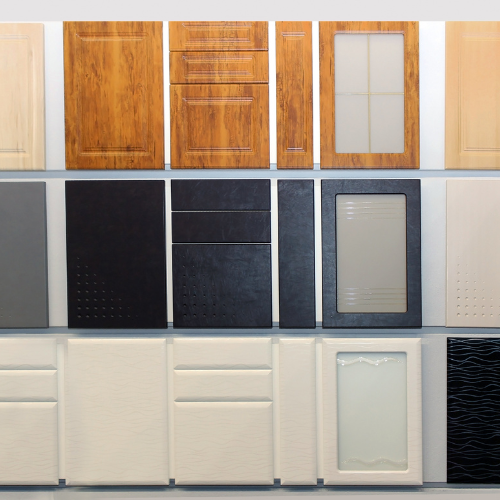
If your existing kitchen doors have seen better days, it might be best to replace them completely as paint is unlikely to cover up major defects. For instance, water damage can swell and warp wood and MDF doors, and it’s not a good idea to sand doors that are covered in mould and mildew.
Yes, replacing kitchen cupboard costs can be high but a new set of doors typically comes in at a reasonable £450. And you might only need to replace one or two doors, so you needn’t pay more than £90 to £180 to improve your kitchen’s condition. You can reduce these costs a little by choosing unfinished doors and painting them yourself.
Don’t forget, if you are planning to replace your doors (and maybe even units), some local authorities do have a limit on the number of items taken to them, so you may wish to consider contacting a company that deals with domestic skips to book one ready to take what you remove.
Change the look and layout of cupboards
Before you embark on any cabinet painting, it’s a good idea to step back and ask yourself if you’re happy with the layout of the cupboards. Perhaps it would be better to remove the wall cabinets to open out the space more or maybe adding a glazed unit on top of the worktop will create a nice display for your kitchenware? You could use a second-hand piece for this and simply paint it to blend in with your cupboards.
You could also consider changing the look of your doors before painting them. Adding MDF strips is a great way to turn plain doors into shaker style ones.

Don’t forget the hardware
New cabinet door handles can not only help to update your old kitchen, but they can also improve its functionality. If small handles are fiddly or hard to reach, you could reposition them or switch them out for longer bar-style handles.
It’s not just door handles that you can upgrade. Going for soft-close hinges will make your old kitchen feel more high-end and will put an end to doors banging shut.
Improve the inside as well as the outside of cabinets
It’s not just the outside of cabinets that you should consider making over. Upgrading the inside will help your kitchen to feel like new. And it could make it considerably more practical to use.
Cabinet inserts, including pull-out baskets, carousels and drawers, are easy to add to existing cupboards, helping you to stay more organised. And drawers can be fitted with new runners to make them soft-close. These cost from as little as £6 for a pair, so it’s a cost-effective upgrade.
Go further than the doors with cabinet updates
It isn’t simply the doors and internal fittings that you can change to makeover your kitchen cabinets. You can tidy up and change the look of your old kitchen by adding new end panels, cornices and plinths. So, the cupboards are made over from top to bottom.
You can also improve the overall look of your kitchen makeover by boxing in your boiler and extractor fan and then painting them to match your cupboards for a seamless finish.
Don’t limit your makeover to the existing kitchen units
You may not have the funds to buy new cupboards, but that doesn’t mean you can’t bring in extra kitchen storage. You could upcycle an old dresser to create a more country-style kitchen while giving yourself more cupboard and shelf space. Or you could repurpose an old wardrobe as a pantry cupboard or coffee station.
If there’s no space for extra furniture, you could use old scaffolding planks or floorboards to create open shelves. Or put up a brass rail to hang pans and utensils from. You can buy ready-to-hang rails with brackets and hooks for around £30, but you can easily customise your own by buying the separate pieces of hardware from your DIY store.
Frequently Asked Questions About Kitchen Cabinet Makeovers
How long does a kitchen cabinet makeover last?
A properly executed cabinet makeover lasts 5-10 years with normal use. Quality depends on preparation (cleaning, sanding, priming), paint quality (use kitchen-specific paint), and application method (spray gives the most durable finish). High-traffic areas like handles may need touch-ups every 2-3 years.
Can I paint kitchen cabinets myself or should I hire a professional?
DIY is feasible if you’re patient and detail-oriented. Expect 20-40 hours for an average kitchen. Professional painting costs £600-£1,500 but guarantees smooth, durable results. DIY costs £150-£400 in materials. Hire professionals for intricate details, glass-fronted cabinets, or if you lack time.
What type of paint is best for kitchen cabinets?
Use specialist cabinet paint or satinwood/eggshell finish. Top UK options: Farrow & Ball Estate Eggshell (£45/litre, luxury finish), Dulux Satinwood (£25/litre, excellent durability), Frenchic Al Fresco (£18/750ml, no primer needed), or Annie Sloan Chalk Paint with lacquer topcoat (£25/litre, easy application). Always use paint designed for high-moisture, high-traffic areas.
Do I need to remove cabinet doors to paint them?
Yes, forthe best results. Painting doors flat (laid horizontally) prevents drips and brush marks. Remove all hardware, number doors and their positions, and paint in a dust-free space like a garage. This adds time but dramatically improves finish quality.
What’s trending in kitchen cabinet colours for 2025?
Top 2025 trends: warm terracotta and rust tones, deep sage and forest green, navy and midnight blue, warm off-whites (not stark white), and two-tone combinations (dark lowers, light uppers). Natural wood tones are returning, especially light oak and walnut stains.
Should I replace cabinet hardware or paint it?
Replace hardware for maximum impact – it’s the “jewellery” of your kitchen. New handles cost £2-£15 each (budget £100-£300 total). Modern trends favour matte black, brushed brass, or aged bronze. Painting hardware looks cheap and wears quickly. This small investment makes a huge visual difference.
How do I prepare cabinets for painting?
Thorough preparation is 70% of success: (1) Remove all doors, drawers, and hardware; (2) Clean with sugar soap to remove grease; (3) Sand with 120-grit paper to create key for paint; (4) Fill holes/dents with wood filler; (5) Apply primer (essential for laminate/melamine); (6) Light sand between coats with 220-grit paper. Never skip steps.
Can you paint laminate or melamine cabinets?
Yes, but they require special preparation. Clean thoroughly, sand to roughen the surface (laminate is very smooth), and use a bonding primer like Zinsser BIN or Dulux Difficult Surface Primer. These primers ensure paint adheres to non-porous surfaces. Skip primer and your paint will peel within months.
What’s the difference between painting and refacing cabinets?
Painting changes colour but keeps existing doors. Refacing replaces door fronts and drawer faces while keeping cabinet boxes, costing £3,000-£6,000 (cheaper than full replacement but pricier than painting). Refacing works when you like the layout but want a complete style change or have damaged doors beyond painting.