#Collaborative post
Updated November 2025:
As UK homes continue to get smaller – the average new build is now just 67 square metres – clever storage solutions have become essential rather than optional. Shoe storage, in particular, has evolved dramatically in recent years.
Modern solutions now combine functionality with style, transforming hallways and entryways into organised, welcoming spaces. From vertical wall-mounted systems to hidden under-stair storage, today’s shoe storage options cater to every home size and budget. This guide has been updated with the latest 2025 trends, including sustainable materials, modular systems, and smart storage that works for families, couples, and solo dwellers alike. Whether you’re dealing with a narrow Victorian hallway or a compact new-build entrance, you’ll find practical solutions that actually work.
Keeping your home organised, especially when it comes to shoes, can sometimes feel like a never-ending battle. Whether you’re an avid shoe collector or just trying to maintain order in a busy household, modern shoe storage solutions offer a range of stylish and practical ways to keep your footwear neatly tucked away.
With the right approach, you can declutter your space and make finding your favourite pair of shoes a breeze, all while protecting your shoes from wear and tear.
One of the first things to consider when looking at modern shoe storage is how much space you have. In smaller homes or apartments, utilising vertical space is a smart solution. Tall shoe cabinets or stackable shelves allow you to store multiple pairs of shoes without taking up too much floor space.
These sleek, space-saving units come in various designs, from open shelving for easy access to closed cabinets that keep shoes out of sight. A minimalist, closed-door cabinet also helps keep your room looking tidy and uncluttered, while providing a designated space for each pair of shoes.
For those with larger spaces or walk-in closets, built-in storage can be an ideal option. Custom-built shoe racks, cubbies, or drawers can be designed to fit your shoe collection perfectly. This is particularly useful for those who need to store different types of shoes, from boots to sandals, in a way that keeps them easily accessible while also protected.
Incorporating sliding drawers or pull-out trays into your shoe storage makes it easy to view your collection at a glance without cluttering your room.
Another modern trend in shoe storage is modular units. These allow for maximum flexibility as they can be reconfigured to fit your changing needs. Whether you’re downsizing your collection or adding a few more pairs, modular storage systems grow and adapt with you. They’re great for those who want versatility, allowing you to mix and match different sections based on your available space and shoe sizes.
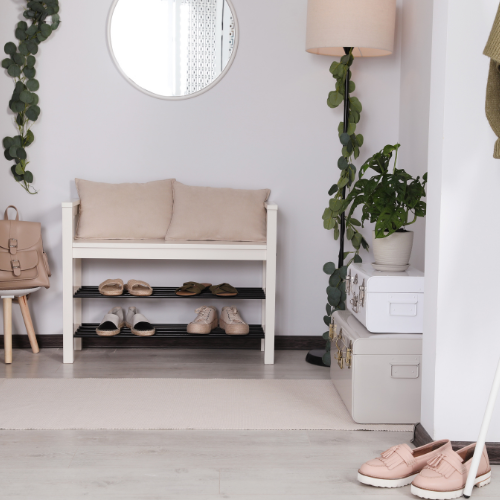
Modern shoe storage isn’t just about functionality – aesthetics matter, too. Choose a shoe rack or cabinet that complements your home’s decor. Wood, metal, and even fabric options are available to suit various styles, from industrial chic to contemporary minimalism. For homes with a more rustic or bohemian feel, consider wicker baskets or open wooden shelves, which add a warm, natural element to the room. Sleek metal racks or glass shelving can offer a modern, streamlined look for contemporary spaces.
It’s also important to think about shoe maintenance, especially if you experience foot discomfort and rely on specialised insoles. For example, if you use metatarsalgia insoles, having an organised and easily accessible shoe storage system is essential. Storing your shoes properly ensures your insoles remain effective, as improperly stored shoes can lead to unnecessary wear and tear.
Consider adding individual compartments or padded inserts to help maintain the shape of your shoes, particularly if they support specific foot needs.
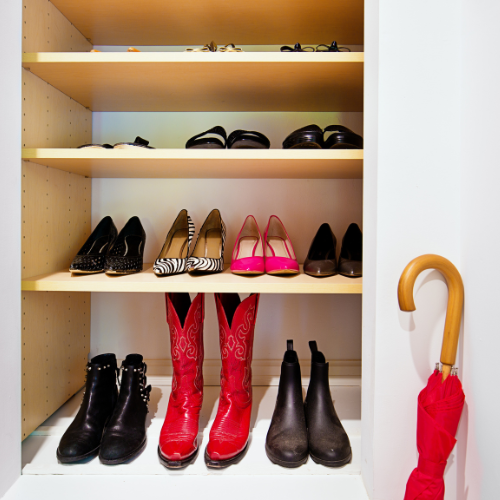
Halloway solutions are another area where modern shoe storage can shine.
The hallway or porch is often the first place shoes pile up, creating a cluttered and chaotic appearance. A sleek shoe bench with hidden compartments is a great way to combine functionality with design. It offers a convenient spot to sit while putting on or removing shoes, while also providing hidden storage space to keep shoes out of sight. This dual-purpose design is perfect for families or those who frequently entertain guests, helping keep the entryway clean and organised.
In smaller homes, under-bed storage is a fantastic space-saving solution. Modern under-bed shoe organizers are designed to hold multiple pairs of shoes in a compact, flat format. These organisers typically come with zippered covers to protect shoes from dust while keeping them easily accessible. For those who have a larger shoe collection but are short on storage space, this is a simple yet effective way to keep shoes neatly stored without sacrificing valuable closet space.
For those with foot pain, like metatarsalgia, insoles can be a daily essential. Properly storing your shoes, especially those with supportive insoles, can help extend the life of both the shoes and the insoles. A designated spot for your most-worn pairs, combined with thoughtful storage solutions, ensures they stay in good condition, making it easier to care for your feet and stay comfortable throughout the day.
In conclusion, modern shoe storage is about finding solutions that work with your space, style, and lifestyle. Whether it’s a tall shoe cabinet for a small apartment, built-in racks for a larger closet, or modular units that grow with your needs, there’s no shortage of creative options to keep your home organised and stylish. With the right system in place, you’ll not only have a clutter-free home but also shoes that are ready to wear and well-maintained for the long term.
Frequently Asked Questions About Shoe Storage
How many pairs of shoes does the average UK household own?
The average UK household owns between 40-60 pairs of shoes combined. Women typically own 20-25 pairs, while men own 10-15 pairs. Children’s shoes add another 10-20 pairs, depending on family size.
What’s the best shoe storage for small hallways?
Vertical solutions work best for narrow hallways. Wall-mounted shoe racks, over-door organisers, or slim shoe cabinets (under 20cm deep) maximise storage without blocking walkways. Floating shelves above coat hooks utilise otherwise wasted wall space.
How do I prevent shoes from smelling in storage?
Ensure shoes are completely dry before storing. Use cedar shoe trees or activated charcoal sachets to absorb moisture and odours. Ventilated storage (slatted shelves or mesh) allows air circulation. Clean shoes regularly and rotate pairs to prevent moisture buildup.
Should I store shoes in boxes or on open shelves?
It depends on your space and shoe type. Boxes protect expensive leather shoes from dust and light damage, ideal for seasonal storage. Open shelves work better for daily-wear shoes, making them easy to grab. Consider clear boxes for the best of both worlds.
How can I store muddy wellies and outdoor shoes?
Create a designated “muddy shoe zone” near your entrance. Use a boot tray with raised edges to contain dirt and water. Wall-mounted welly racks keep boots upright and allow them to dry. Consider a small bench with storage underneath for sitting while removing outdoor footwear.
What’s the most space-efficient shoe storage method?
Vertical storage is the most space-efficient. Over-door organisers, wall-mounted racks, or floor-to-ceiling shoe cabinets utilise vertical space. Storing shoes heel-to-toe (alternating direction) fits 30% more pairs per shelf than side-by-side storage.